

About Us
Company OverviewWater Engineering is a Wastewater Treatment Company, provides an environmentally sound solution to the various wastewater problem. Our company is committed to creating solutions for different industries, and we offer cost-effective solutions for various types of wastewater treatment problems. Our products and Services are ETP, STP, DM Plant, RO Plant, and Water Softener manufacturing. It treats industrial wastewater compliance with government NOC, prevents pollution, and creates a healthy environment.
If you are considering a wastewater treatment plant for your business, you can contact a company specializing in these products and services.
Read More

Our History
What Work We DoWater is a valuable resource that most industries use to produce commodities, including manufacturing goods or materials. Wastewater treatment is essential to ensure water resources' safety and environmental health. Our treatment process allows treated water to be safely discharged into a water body, reused for land application, or returned to a plant. The wastewater treatment process is very important for several industries, and it is critical to the environment and needs to be done responsibly.
We manufacture ETP, STP, DM Plant, Industrial RO, and Water Softener based on various technology to serve various industry wastewater requirements.
Read MoreOur Clients
Our Various ProjectsThere are a variety of clients who are using our services as a Wastewater Treatment Company. The population is rising, and urbanization has increased clean water needs. The Government authority tightens regulations to meet the clean water and environmental need, here our wastewater company comes in. We manufacture government NOC compliance wastewater treatment plants. As a wastewater treatment company, We have served many different clients.
In Industrial production, wastewater is produced by numerous commercial and industrial activities, such as Food, Beverage, Pharma, Automobile, Chemical, Colege, Hotel, Hospitals, etc.
Read More

Wastewater Technology
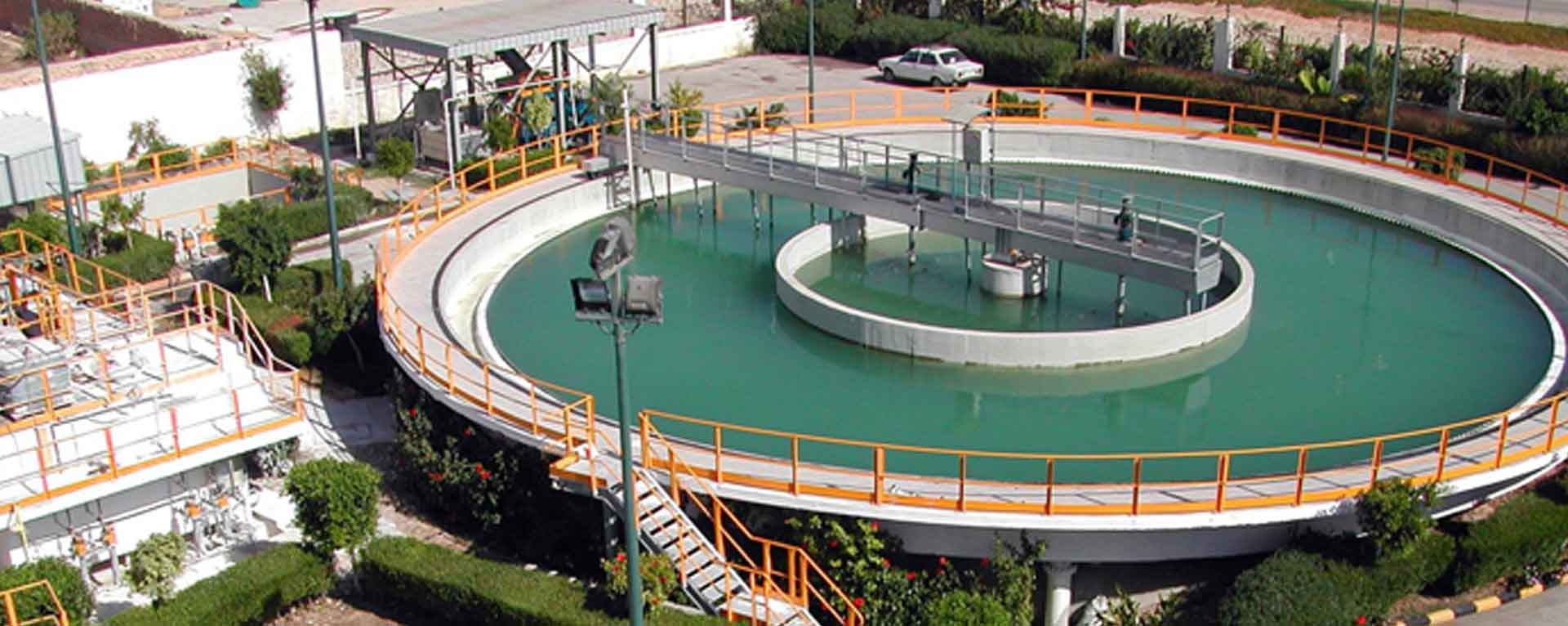
ETP, STP, DM, and RO PlantsA wastewater treatment plant is a facility for purifying industrial wastewater and making it pure again. Water Engineering manufactures Effluent Treatment Plants (ETP) or ZDL plants for various industries. This is mainly used to treat wastewater from pharmaceuticals, pulp and paper, food and beverages, etc. The Sewage Treatment Plant (STP) based on MBBR, MBR and SBR is another most common type of water treatment plant, and these are used for municipal and domestic sewage. Other famous water treatment systems are RO, DM and Water Softener.
Water Engineering successfully handles high level of complex wastewater treatment solutions for various types of industrial wastewater.
Read More“ Contact Us For ETP, STP, DM and Industrial RO Get Free Quotation ”
Our Services
Water Engineering is a New Delhi based Wastewater treatment company having more than ten years of experiance. We manufacture a wide range of Water and Wastewater treatment systems like ETP, STP, DM, RO, and Water Softener Plants.
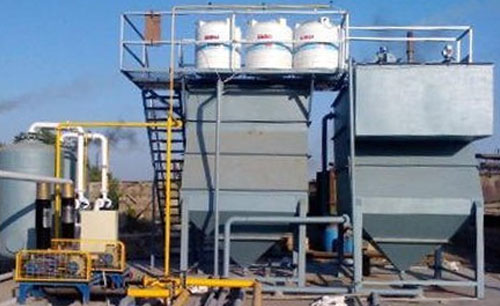
An Effluent Treatment Plant (ETP) is a machine for treating wastewater and industrial effluents. These effluents contain impurities that can be harmful to the environment, and these water-borne substances can come from various sources, including domestic and industrial use. The manufacturers need to install an Effluent Treatment System to remove these contaminants. We manufacture several types (including ZLD) and a range of ETP (1 KLD to 500 KLD) treatment systems.
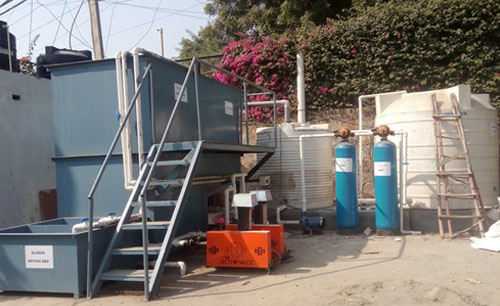
Water Engineering is an Sewage Treatment Plant (STP) Plant Manufacturer we have been in business for years. The company provides a wide range of STP for wastewater, including odour control, disinfection, and filtration. STP plants are also a important in preventing pollution in local waterways. These treatment processes remove various contaminants from wastewater collected from various sources, including household sewage and rainwater. We are experts in SBR, MBBR, and MBR based STP (1 KLD to 500 KLD).
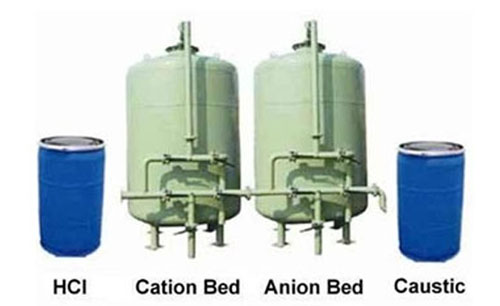
Water Engineering is reliable Demineralisation (DM) Water Treatment Plants Manufacturer. The process of demineralisation is the most common method used for water treatment. Natural water contains salts, minerals, and ions called anions, such as chloride and sulphate. While this process is necessary to prevent metal oxidation and scale formation, it also has other benefits. The removal of dissolved salts allows the purified water to have a lower pH level, essential for many industries.
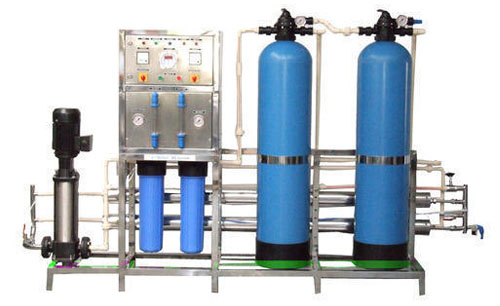
As a Reverse Osmosis (RO) Plant Manufacturer, we can supply you with all the equipment and services you need to make high-quality water. We offer everything you need to meet your RO-based water treatment needs, from desalination plants to industrial wastewater treatment plants. Our experienced and skilled team can create custom water plant solutions for any industry. We manufacture a wide range of RO based water treatment solutions with industrial capacity (From 100 LPH to 50000 LPH).
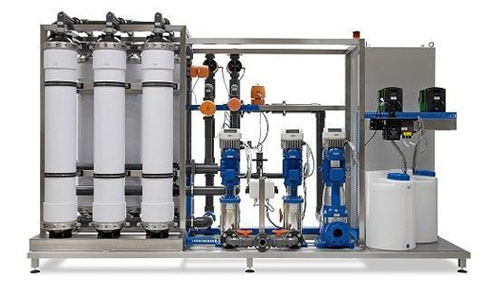
As an Ultrafiltration System manufacturing company, we assure system performance. When it comes to determining the performance of an ultrafiltration system, temperature is an important factor. The higher the temperature, the lower the permeate rate will be. This correlation must be studied to assure that the ultrafiltration system works efficiently. In order to get the most efficient results, we should make sure to choose a manufacturer like us that can offer a wide range of Ultrafiltration System.
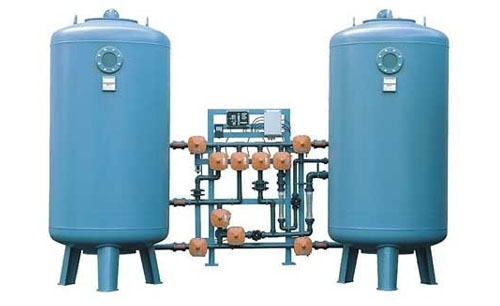
As a Water Softener Plant Manufacturer company, we manufacture systems that treat the water to reduce hardness. This type of water treatment is popular in both industrial and household, and it has become a popular choice because of its low maintenance costs and effectiveness. Hardness is defined as the level of calcium and magnesium in water, and these can damage the pipes and appliances and cause stains. As a water softener Plant Manufacturer, we will do the proper settings for your needs.
Adequate safety measures are taken to ensure that are no
accidents at site during exaction of work.
INDUSTRIES WE Serve
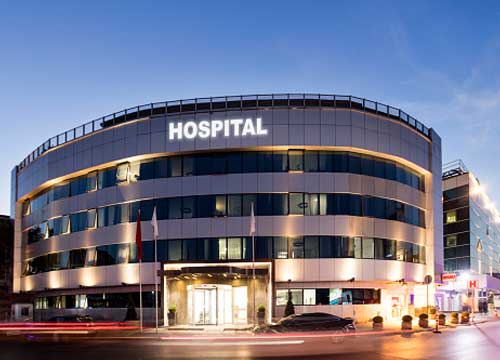
A hospital's wastewater treatment plant, or WWTP, is a crucial. Without a WWTP, hazardous pollutants from human waste can leak into the environment, causing many health problems.
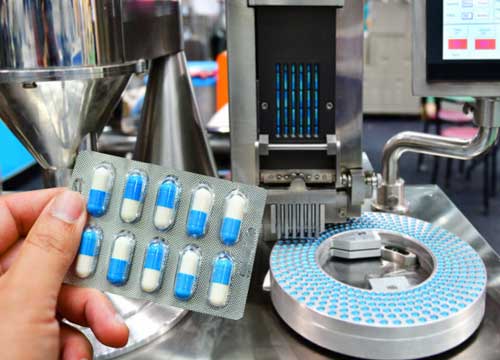
The pharmaceuticals industry produces large quantities of wastewater with high BOD levels. The effluent from these facilities may contain harmful compounds, such as ammonia and dioxane..
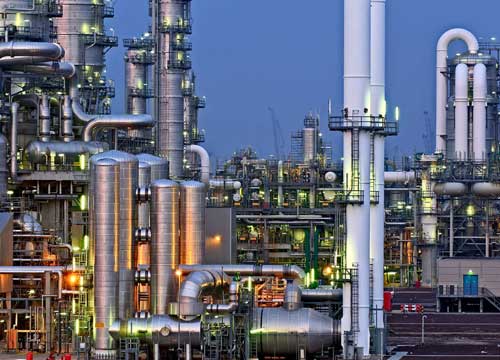
The chemical industry uses complex organic chemicals to produce pesticides, dyes, plastics, and other products. Its wastewaters contain harmful contaminants from feed-stock materials and products.
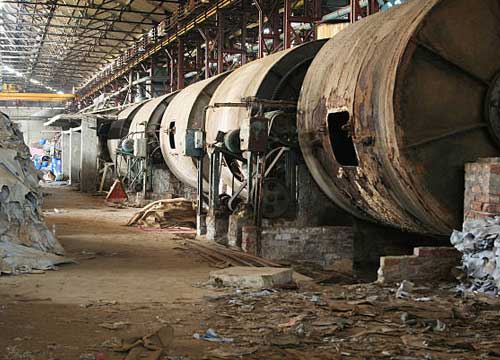
Leather production is one of the most water-intensive industries. Toxins and sulfides emitted during the tanning process. As a result, the wastewater treatment plant must meet environmental standards.
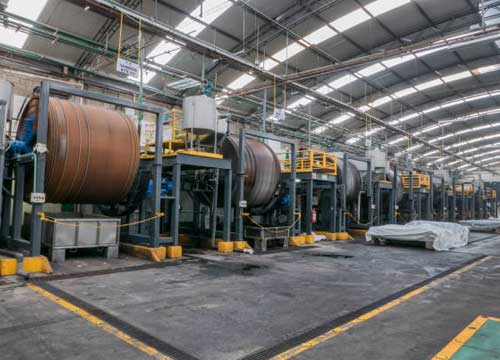
The wastewater generated in tanneries is highly acidic, so WWTP requirements are stringent. The wastewater from tanneries needs to be treated with an activated sludge system.
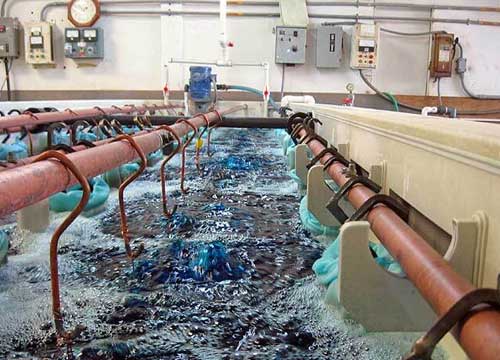
The wastewater generated in an electroplating facility has different categories. Liquid, Solid and Gaseous waste. Each category has its specific characteristics and must be treated according to regulations.
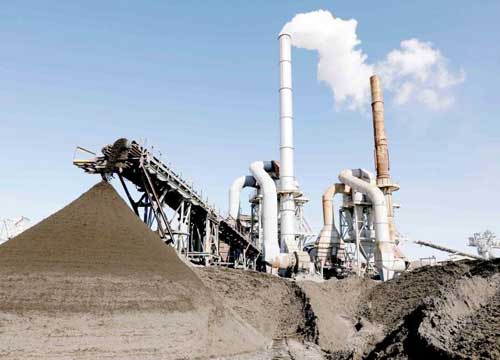
A growing number of organisations are using dissolved air flotation to treat the effluent. A dissolved air flotation system is highly effective at reducing the overall phosphate concentration in the effluent.
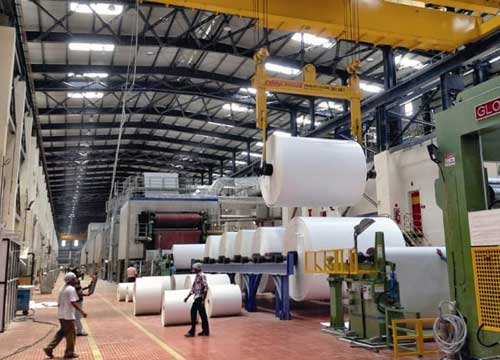
Paper Industries Wastewater Treatment Facilities is a mandatory, government-mandated regulation. The process wastewater from papermaking operations contains chemicals and trace heavy metals.
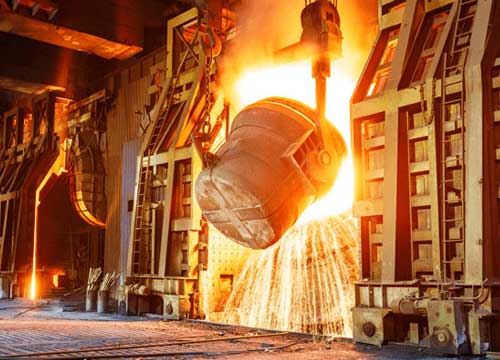
The Iron and Steel Factory (ISF) is the largest industrial facility globally. The use of steel has increased across sectors, and water consumption is growing simultaneously in its production.
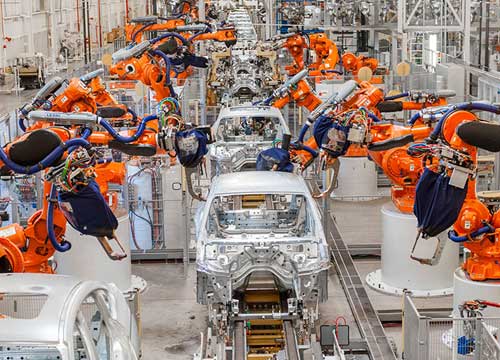
Automobiles Industries produce wastewater with oil-based products, including paints, synthetic fluids and engine coolants. Effluents are hazardous to human and animals, so ETP is essential.
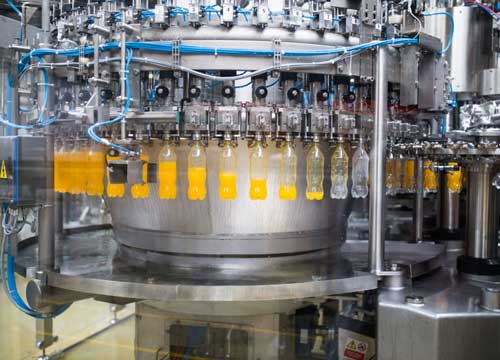
The Food and Beverage industries generate large volumes of water used for brewing, cleaning, cooking, chilling, and more. The best ways to save water are by using less water and recycling wastewater.
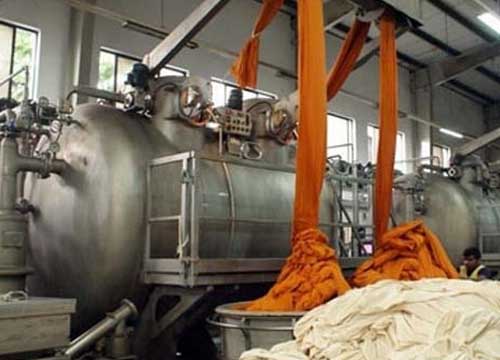
Textile dyeing generate a large amount of wastewater. It contains synthetic and natural dyes, gum thickener (guar), wetting agents, and a pH buffers and dye retardants. So ETP is required.

Water is a precious resource, and the Hotels and Resorts Industries produce vast amounts of wastewater. Untreated wastewater has adverse effects on the environment, human health, etc.
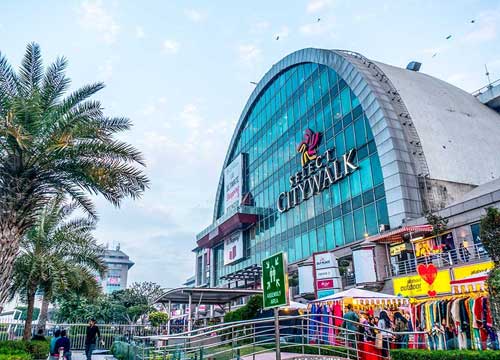
A WWTP for a Malls and Shopping center is crucial for the proper functioning of the entire system, including the cooling and heating systems and the maintenance of the property's.
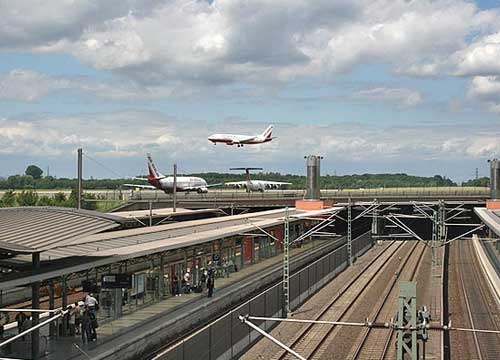
Airports and railways require a large amount of water for diffrent activities. The WWTP main focuses is on gov environmental regulations and permitting programs for wastewater treatment.

Schools and Colleges have a large population, so huge quantities of water are used, and as a result, a large amount of wastewater is produced. So the WWTP system like STP is required.
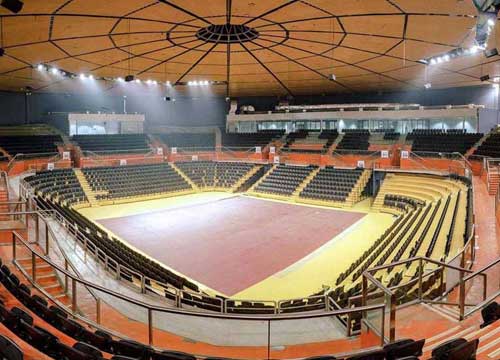
A sports Complexes or Facility must have a way to control the amount of water it uses and discharges to the sewer system, and a WWTP like STP, ETP and RO is an essential part of any sports facility.
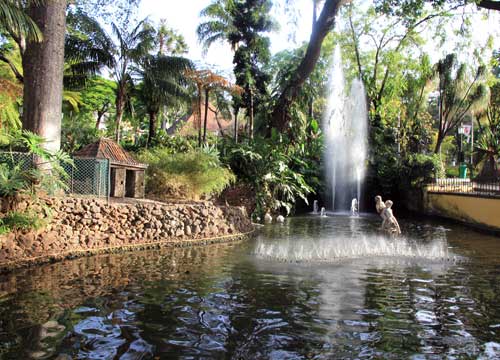
The wastewater produced by municipal gardens is treated at a tertiary level before being discharged into the river. WWTP treated wastewater is used for irrigation of the Municipal park.
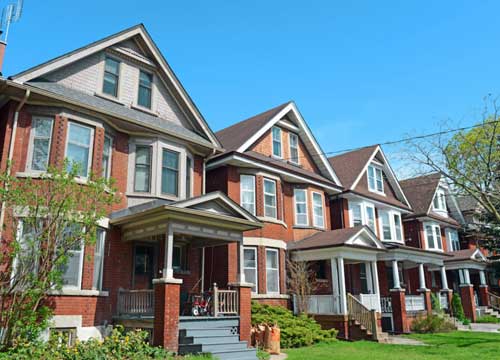
There are several reasons why a WWTP is needed for a residential property. For one, it can help you meet your city's pollution limits, and it can also help you save money on utility bills.

At a public place, authority must keep up with state and government regulations regarding the operation of wastewater treatment plants. Depending upon wastewater, you have to install STP, ETP, RO, etc.
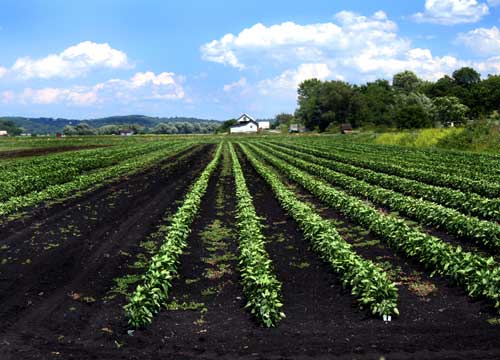
The WWTP is now a required practice for all farms, whether large or small. The untreated wastewater produced by an agriculture farm also has significant CH 4 and N 2 O content, which can harm the crops.
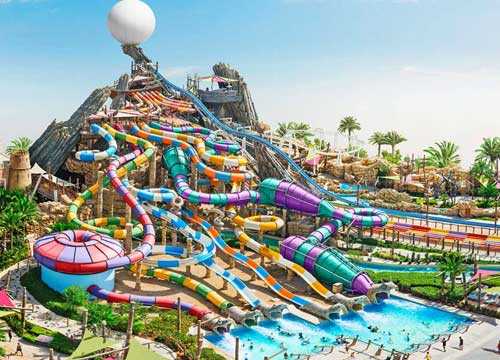
An effective WWTP is essential to the successful operation of a water amusement park. This facility must handle large volumes of waste, including rainwater while ensuring that stormwater runs off the site.
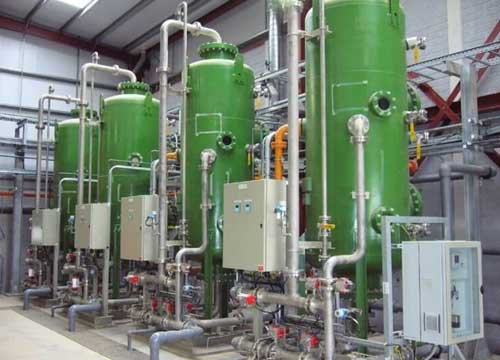
Untreated feedwater can cause fouling, corrosion & other issues that can affect boiler's performance. Polluted water may contain dissolved oxygen, which can be corrosive to the system.
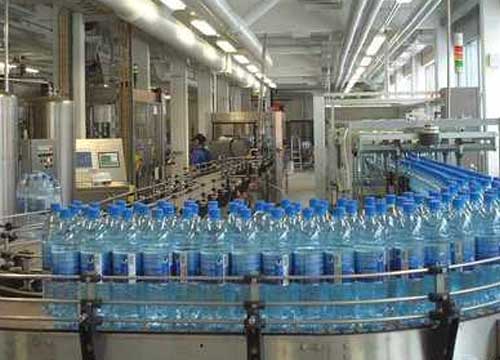
When a plant is required to have a WWTP, the facility must have the capacity to treat wastewater and reuse it for potable water. This requirement is also known as potable water reuse.
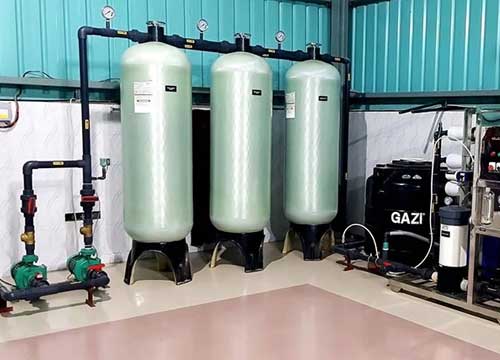
We can estimate the benefits of battery water produced by the DM plant and by incorporating energy storage systems, such as batteries, to provide power during off-peak periods and for energy savings.
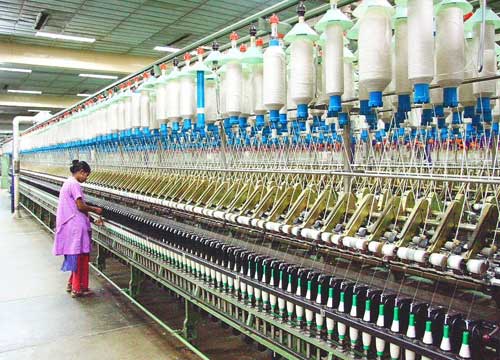
Textiles industry uses a many raw materials, machinery and processes that create wastewater. In many cases, this wastewater is positively harmful, containing chemicals and causing environmental problems.
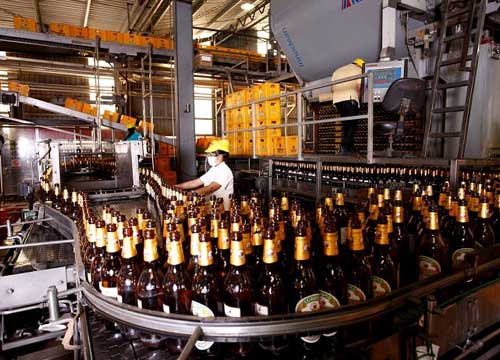
WWTP for breweries is required, and these industries must meet standards for wastewater treatment. Brewery operators must understand the processes used to treat the wastewater.
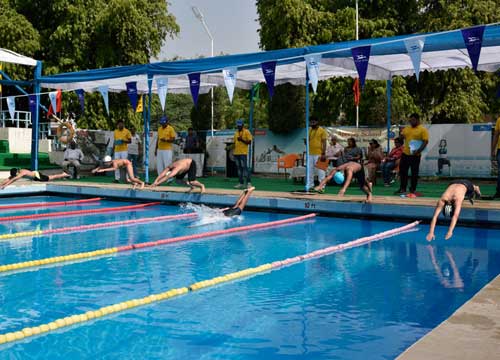
WWTP requires swimming pools to dispose of wastewater properly. Specifically, wastewater from swimming pools must meet specific standards to be considered safe. pH levels between 5.5 and 10.
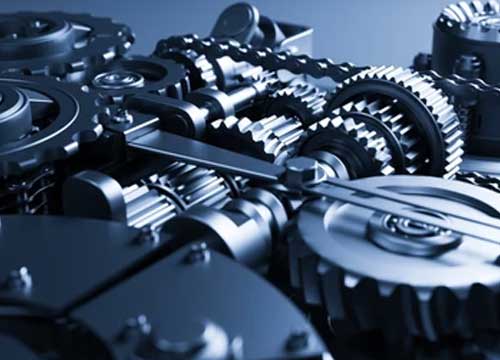
A WWTP is a water treatment facility to remove suspended solids and contaminated substances. These processes purify liquids, solids, and semi-solids used for Sophisticated Machine Cleaning.
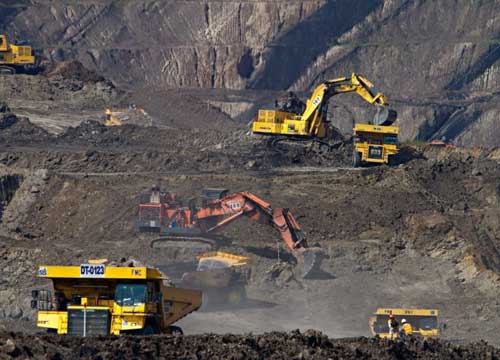
WWTP is necessary for mining operations. Water is essential for mineral extraction, personnel needs, and cleaning processes. As a result, wastewater treatment avoid negative environmental impacts.
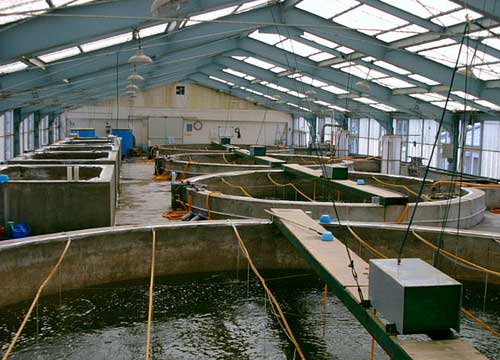
To minimize the impacts of sewage on local ecosystems, fish farmers must meet standards to ensure they meet environmental laws. So WWTP plant is required to use and reuse water and wastewater.